“Copal Cabana” Bristlecone pine sculpture. Art is created from an ancient fallen tree filled with colorful copal. Copal is prestage amber resin. The woid is likely 2000yrs old. A wonderful center piece to be enjoyed from all angles. The wood was collected at 11,800', top of the line at an extreme location west of Manitou Springs. The color of the art is natural and sealed with wood oil. Art is signed with my hallmark. this piece is quite substantial, weighing in at 28 pounds.
Bristlecone Pine tree are the oldest living tree on earth and grow in extreme locations in the mountains of the southwest (to include where I live). They grow about 1 inch in trunk girth per century. I do not collect living trees and consider Bristlecone as extremely rare.
The tree's longevity is due in part to the wood's extreme durability. The wood is very dense and resinous, and thus resistant to invasion by insects, fungi, and other potential pests. While other species of trees that grow nearby suffer rot, bare bristlecone pines can endure, even after death, often still standing on their roots, for many centuries. Exposed wood on living and dead trees does not rot, but rather erodes like stone due to wind, rain, and freezing, which creates unusual forms and shapes.
They grow where most other vegetation cannot; limiting the impact that a forest fire might havoc on their near-eternity.
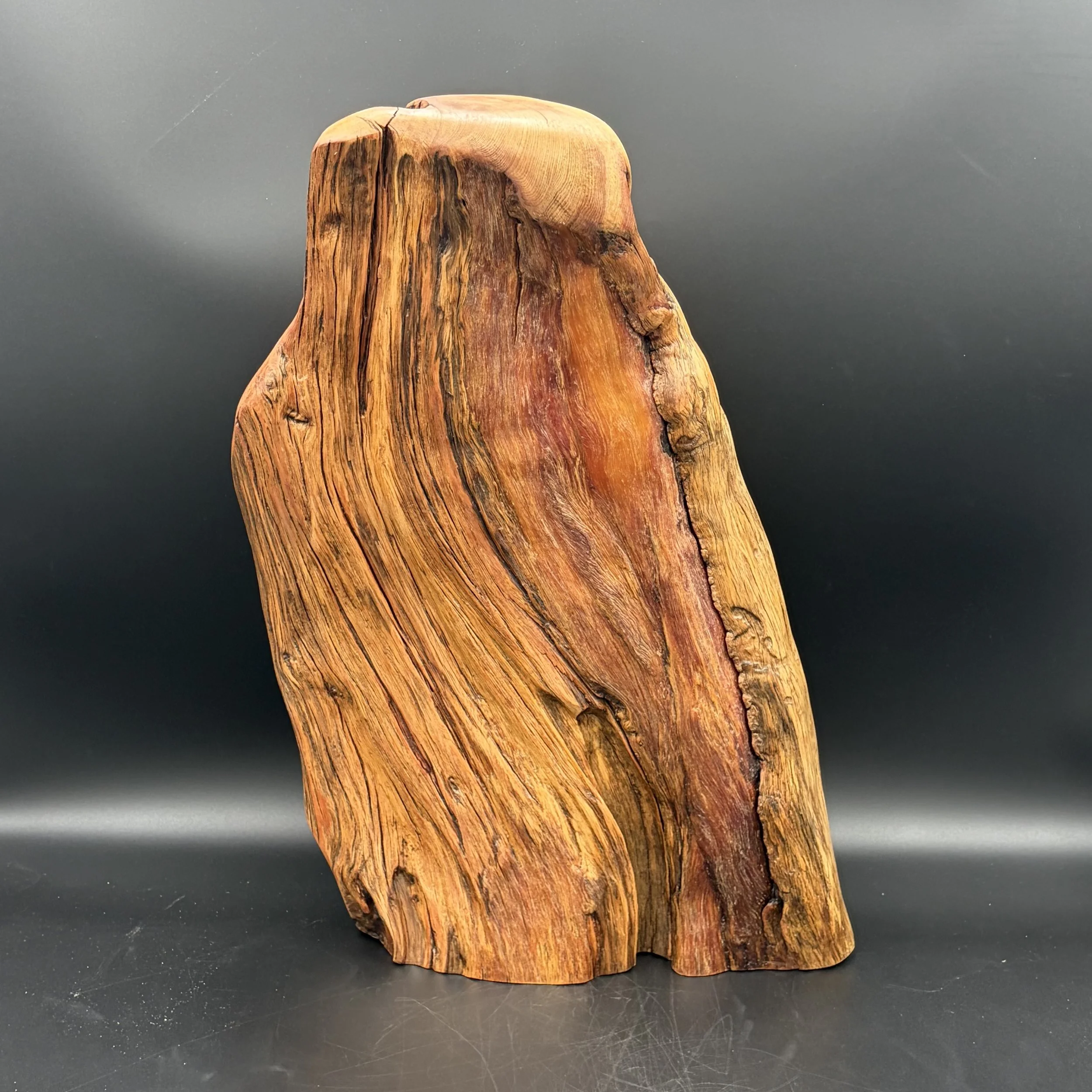 Image 1 of 14
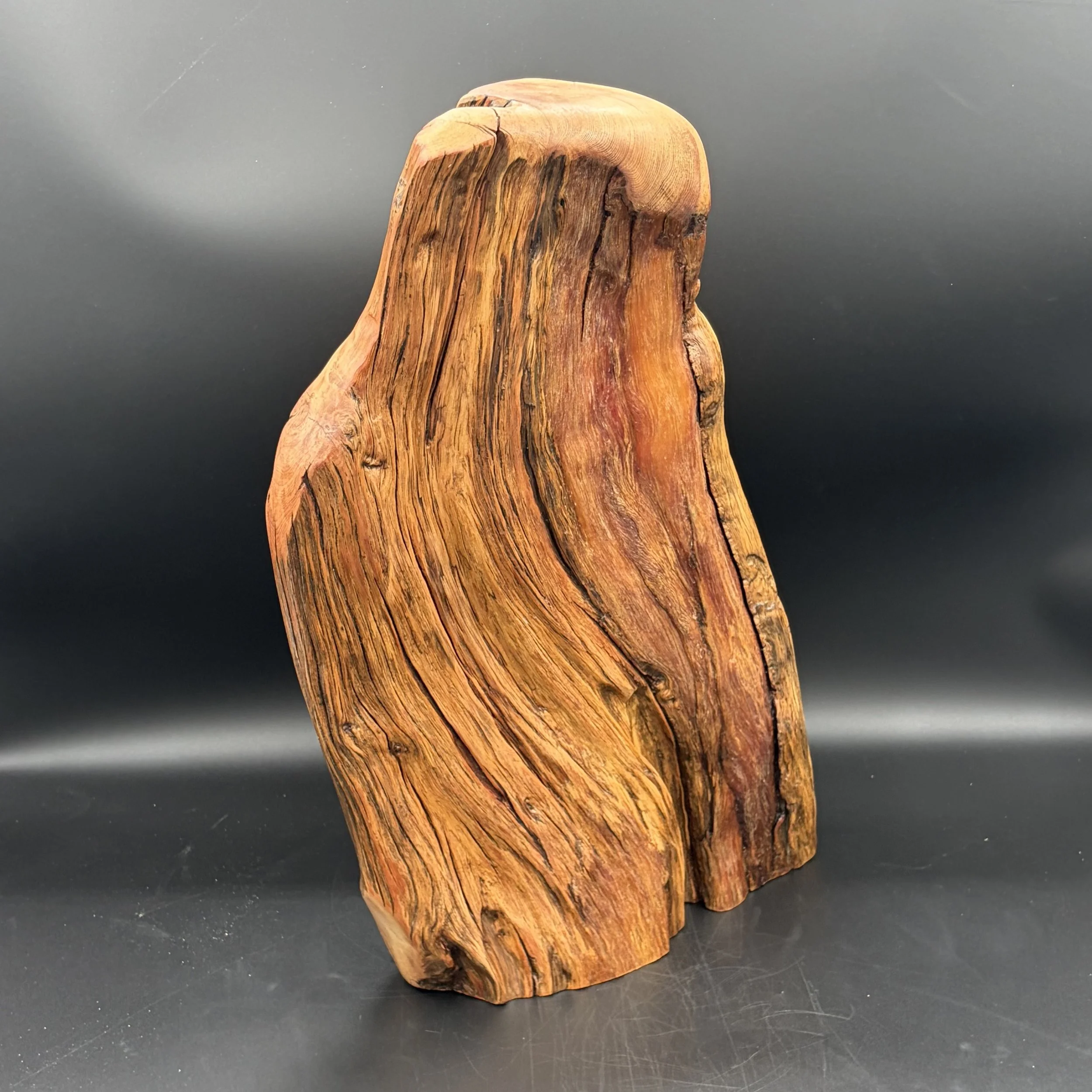 Image 2 of 14
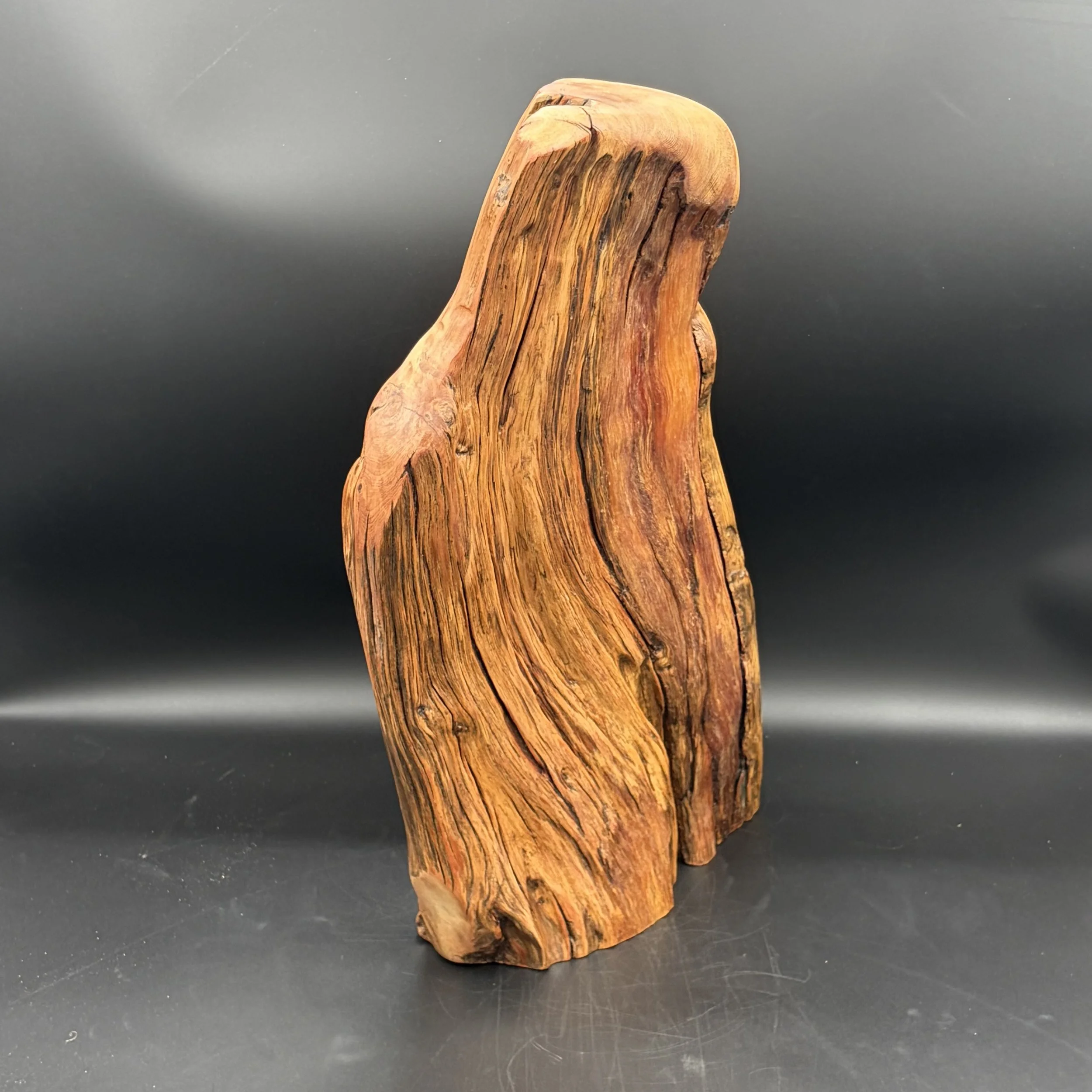 Image 3 of 14
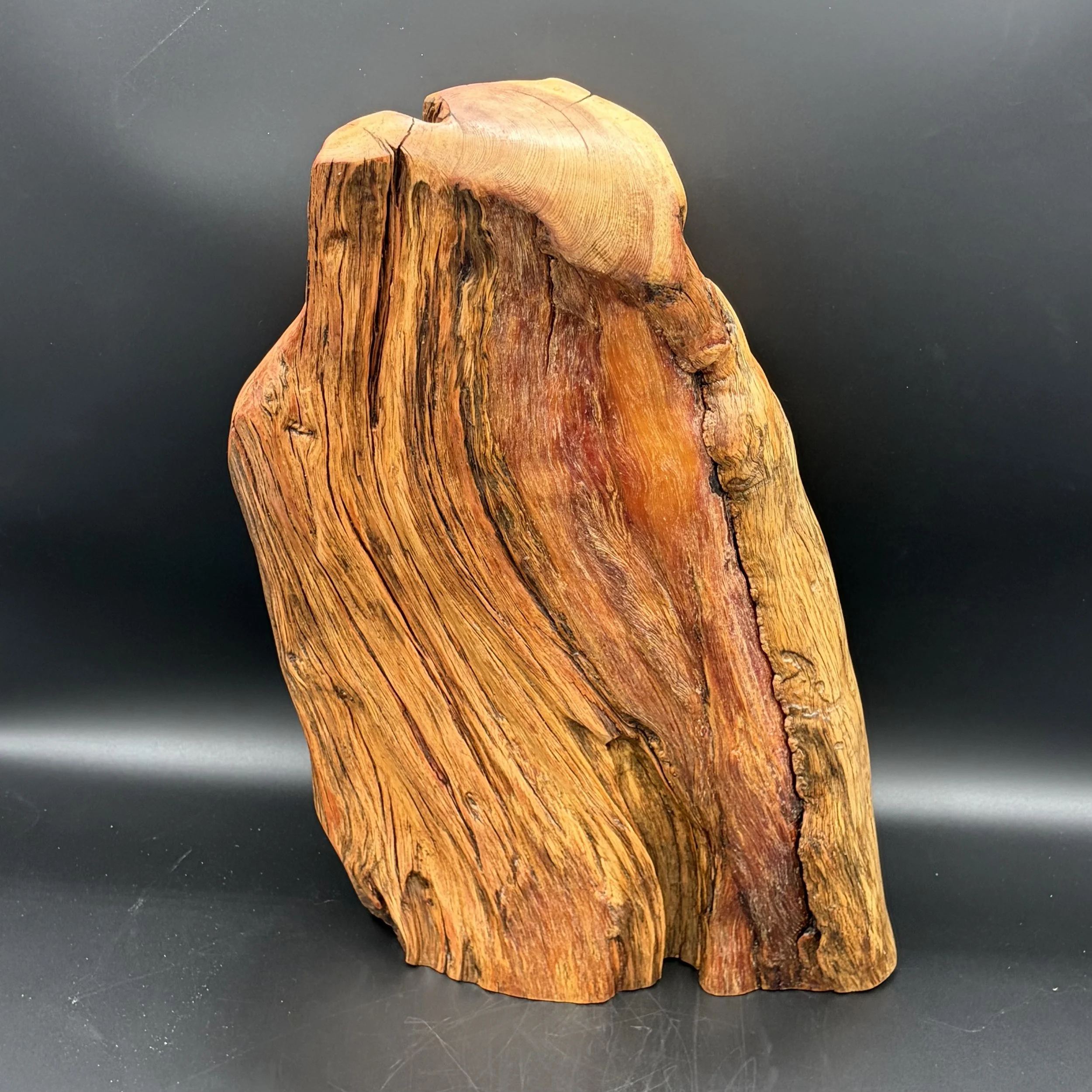 Image 4 of 14
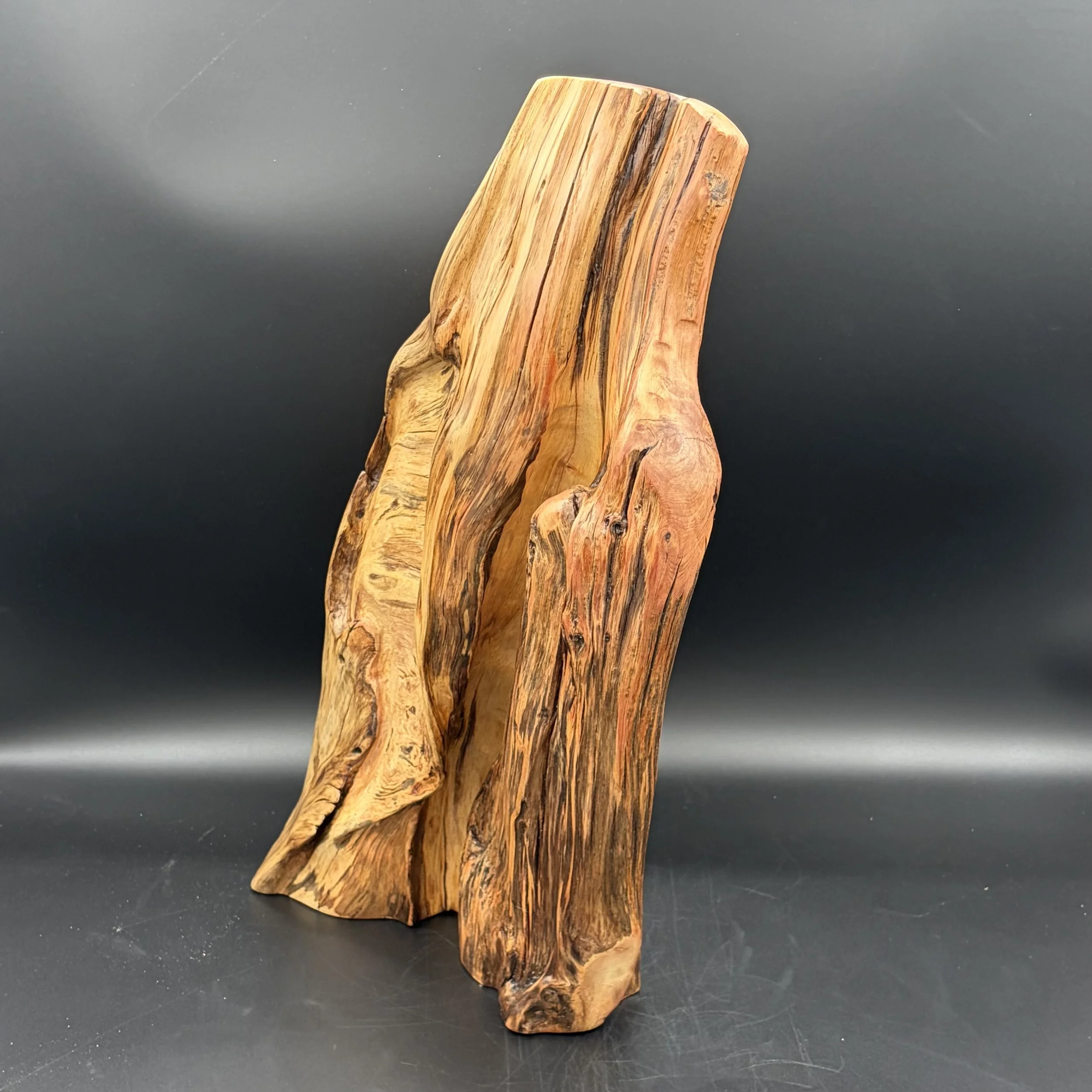 Image 5 of 14
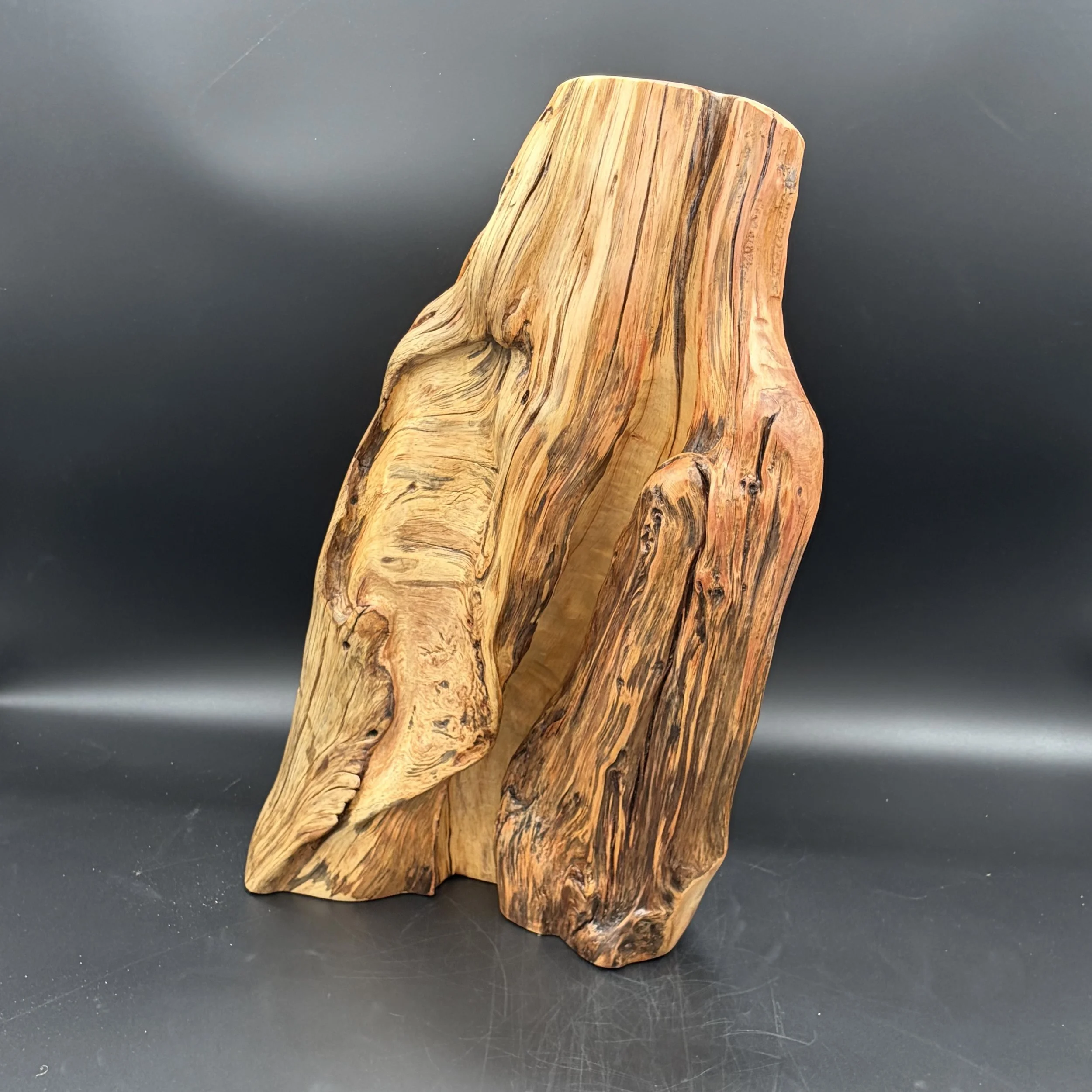 Image 6 of 14
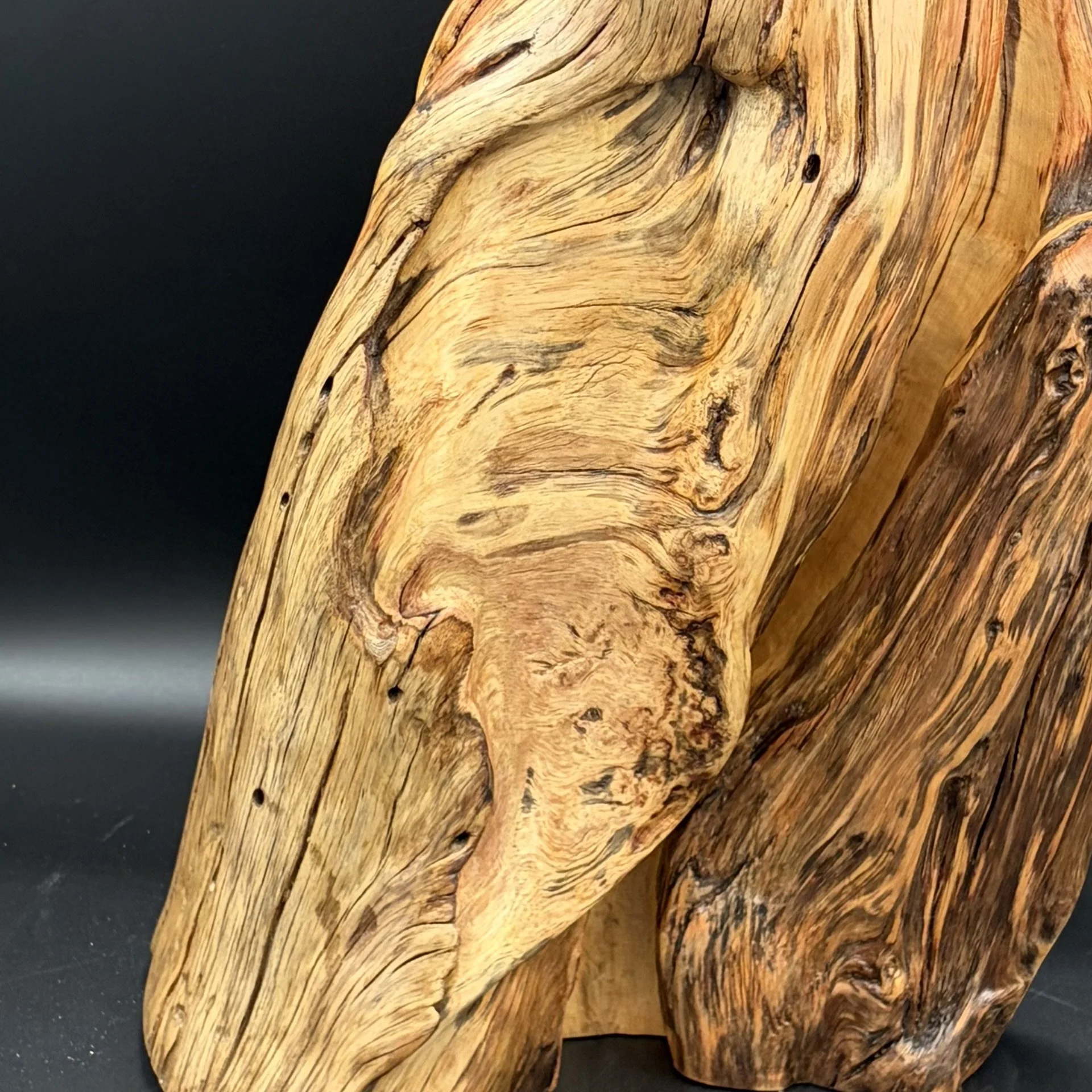 Image 7 of 14
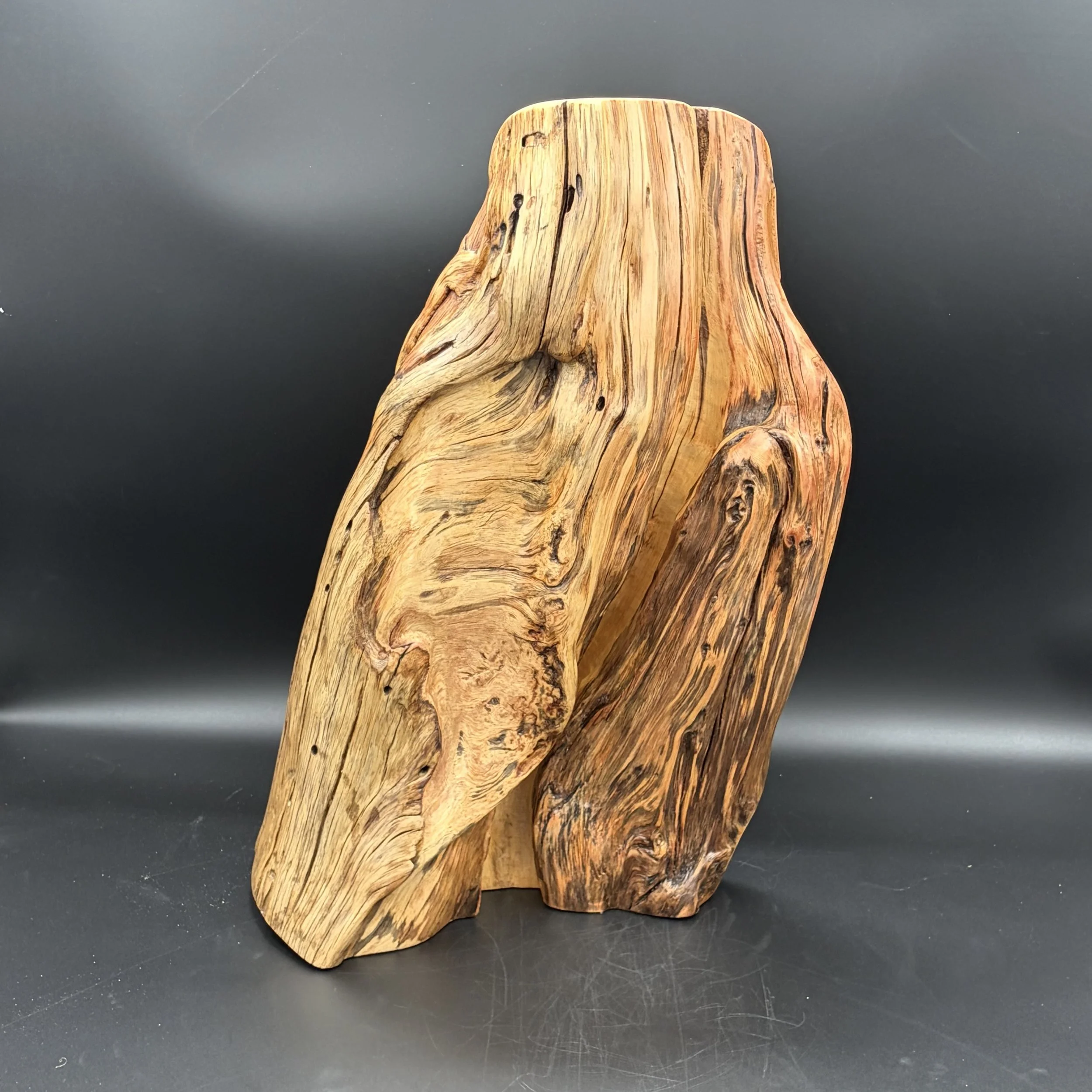 Image 8 of 14
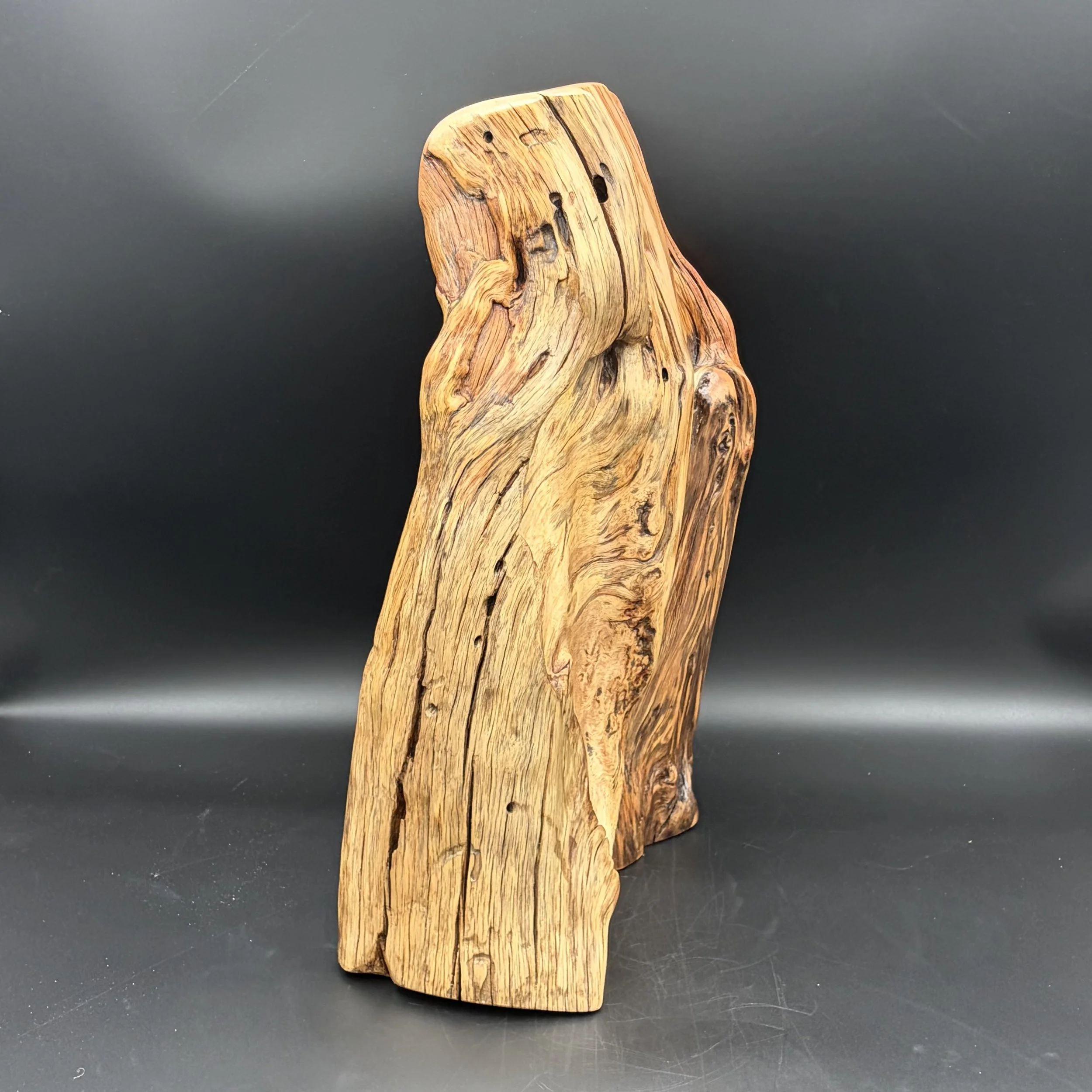 Image 9 of 14
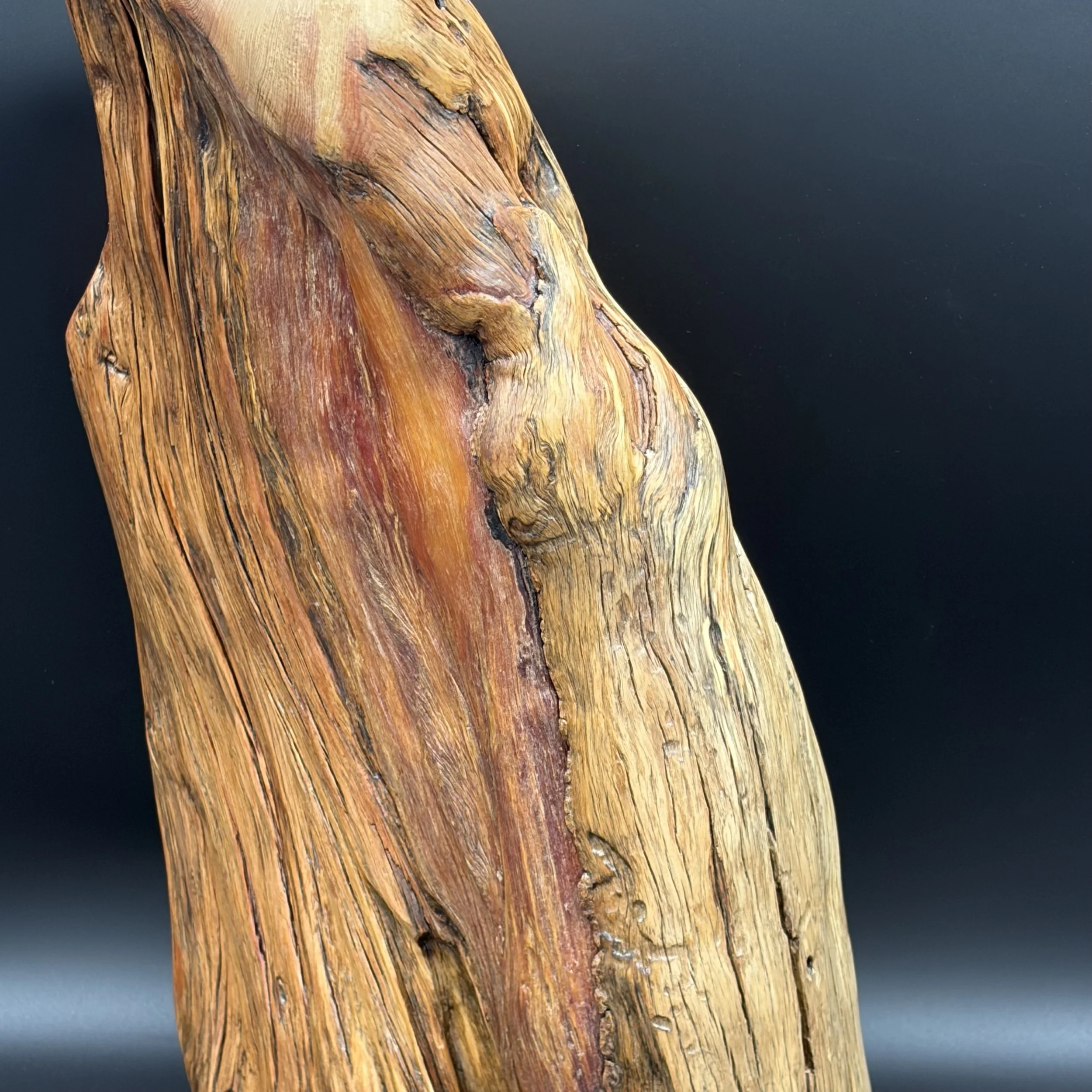 Image 10 of 14
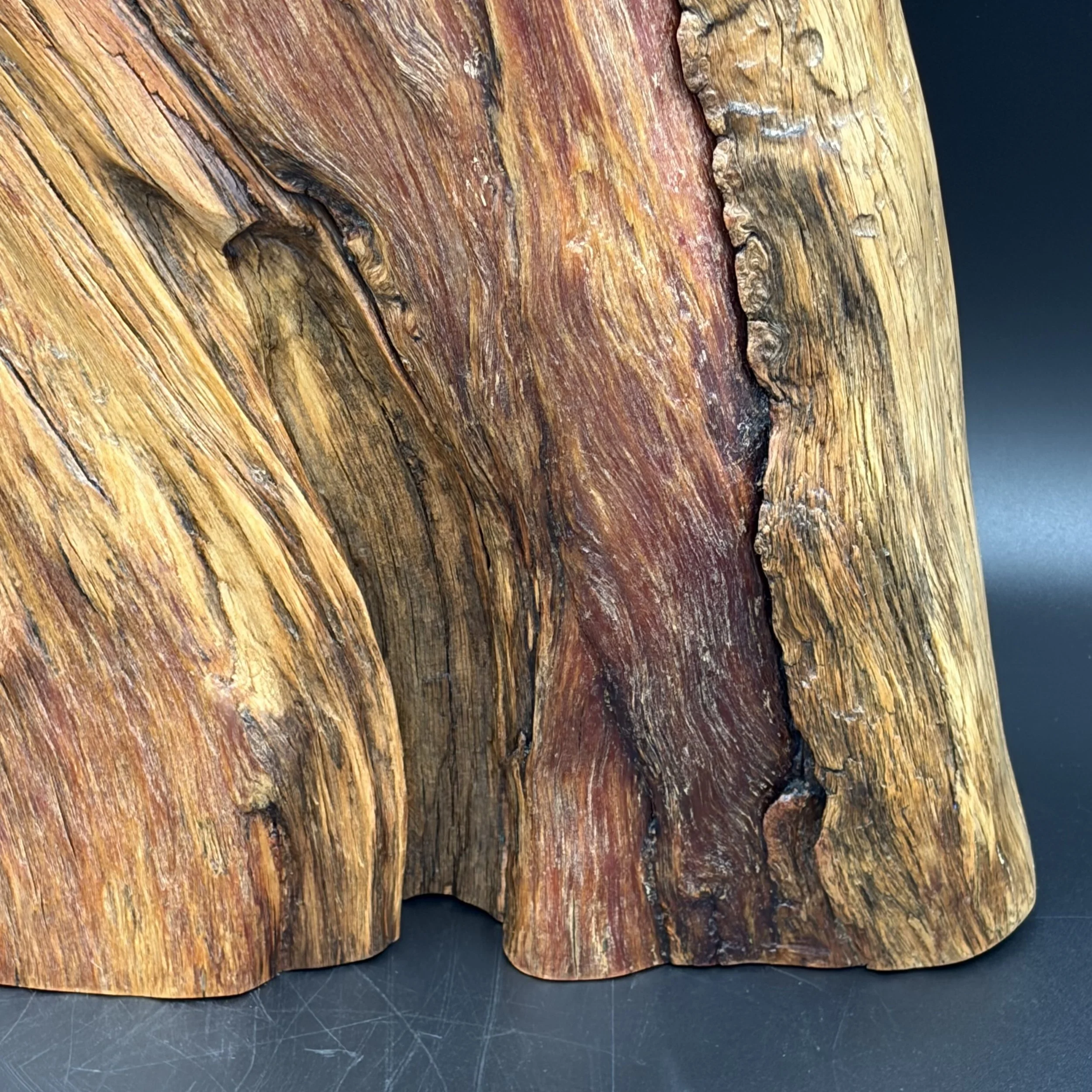 Image 11 of 14
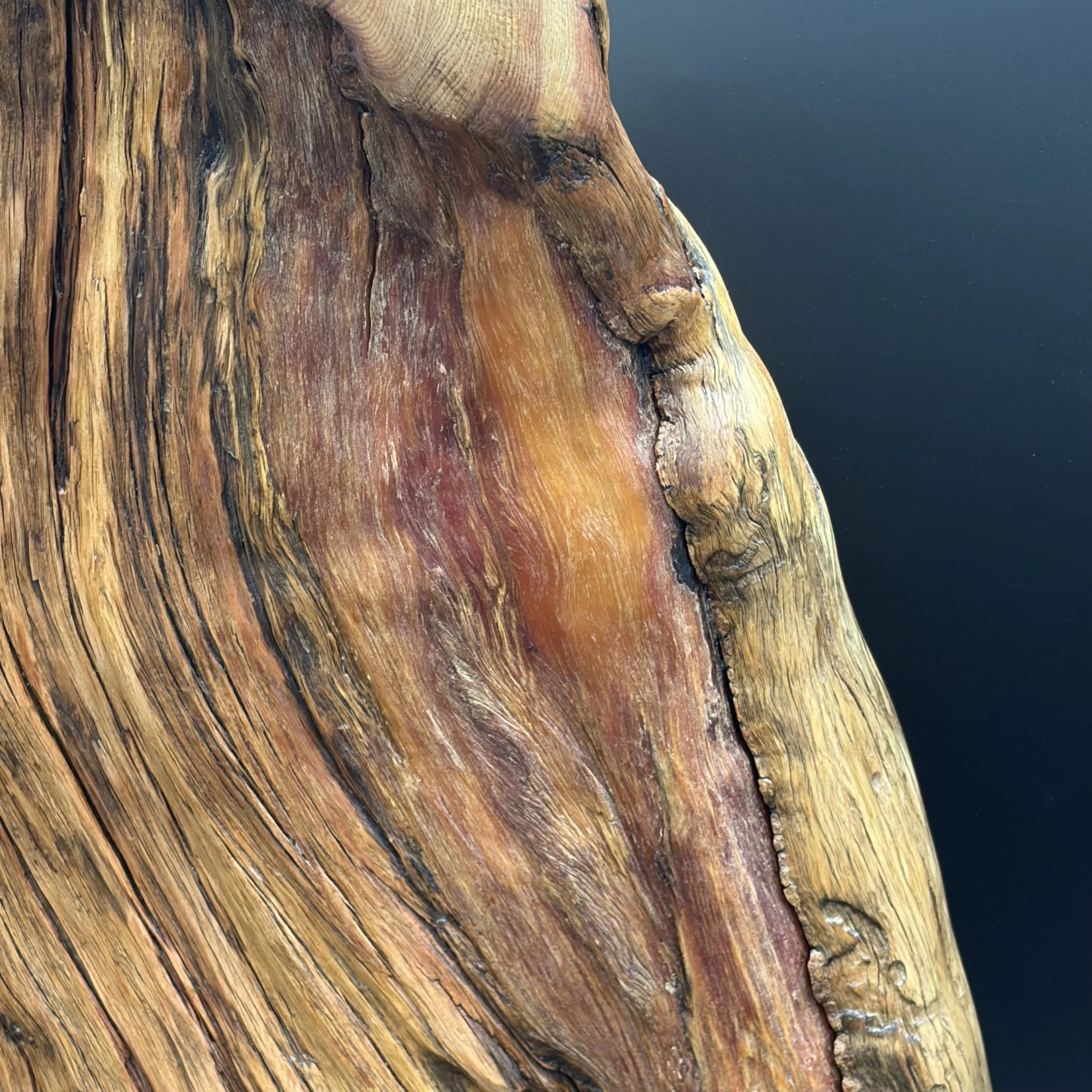 Image 12 of 14
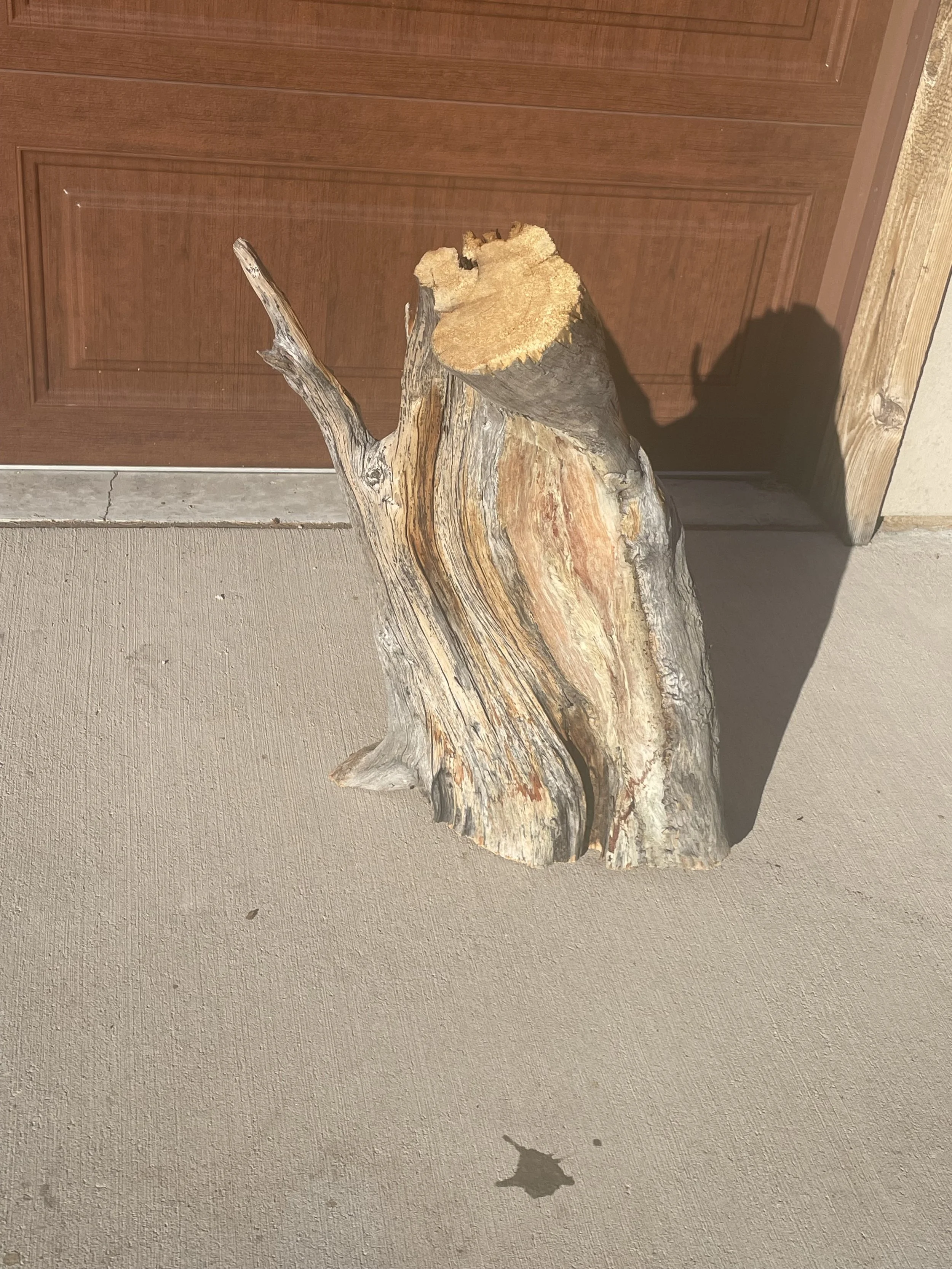 Image 13 of 14
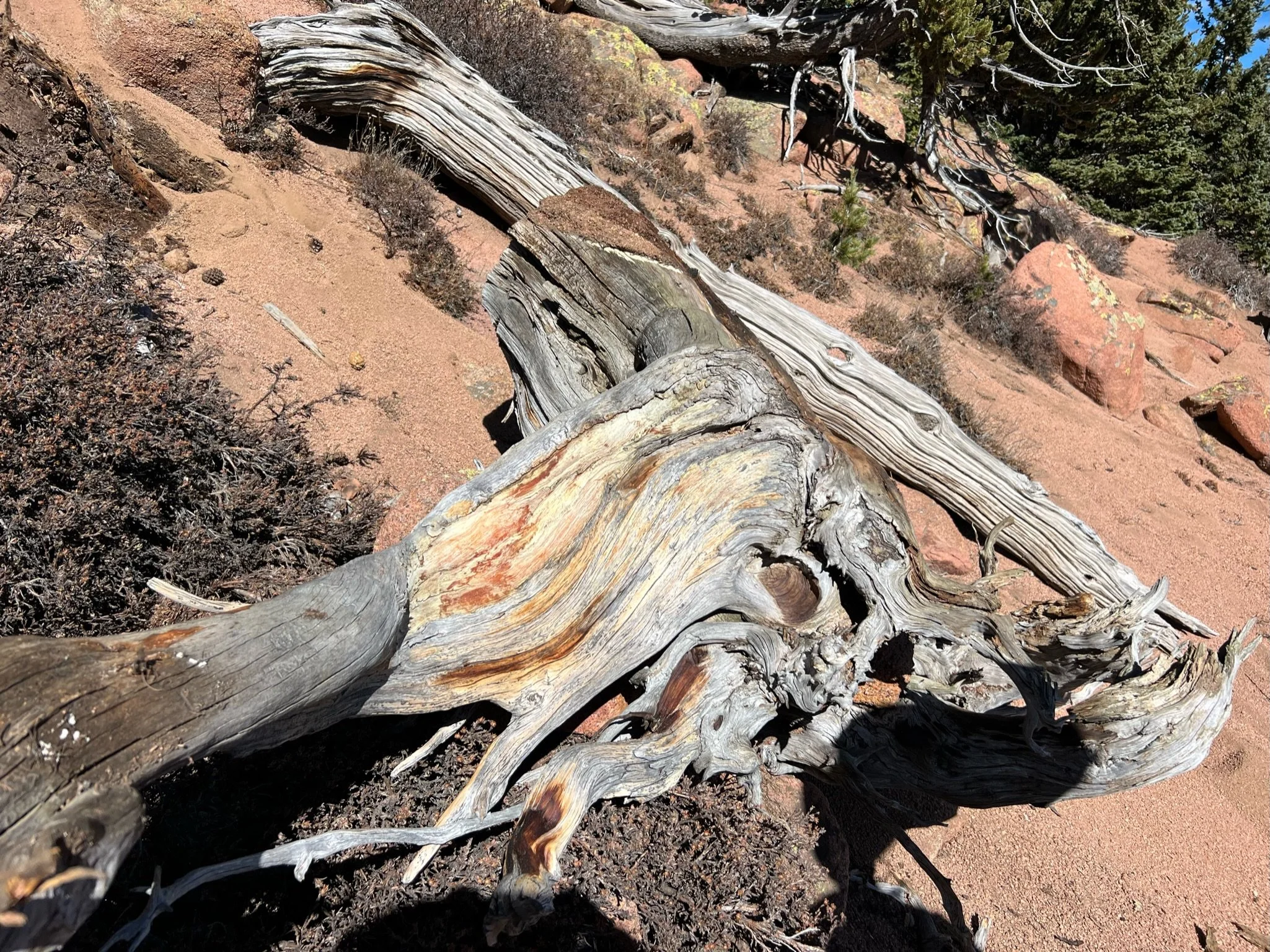 Image 14 of 14